Being part of a startup can be an exhilarating experience; working together to create new and exciting products, combining the talents and vision of your co-workers, and riding on the wave of enthusiasm make the blood, sweat, and tears worth it. But just when you...
Pharmaceutical and medical device manufacturers and materials suppliers must ensure their products are not shedding harmful particles. Unexpected particulate findings during production are a risk that all manufacturers face. Sudden, unexpected findings of particulate...
One of the key responsibilities of pharmaceutical manufacturers is to test the materials used in the manufacturing process to ensure safety and compliance and keep production running smoothly. At SAXOCON, we have the in-house expertise and experience to help you...
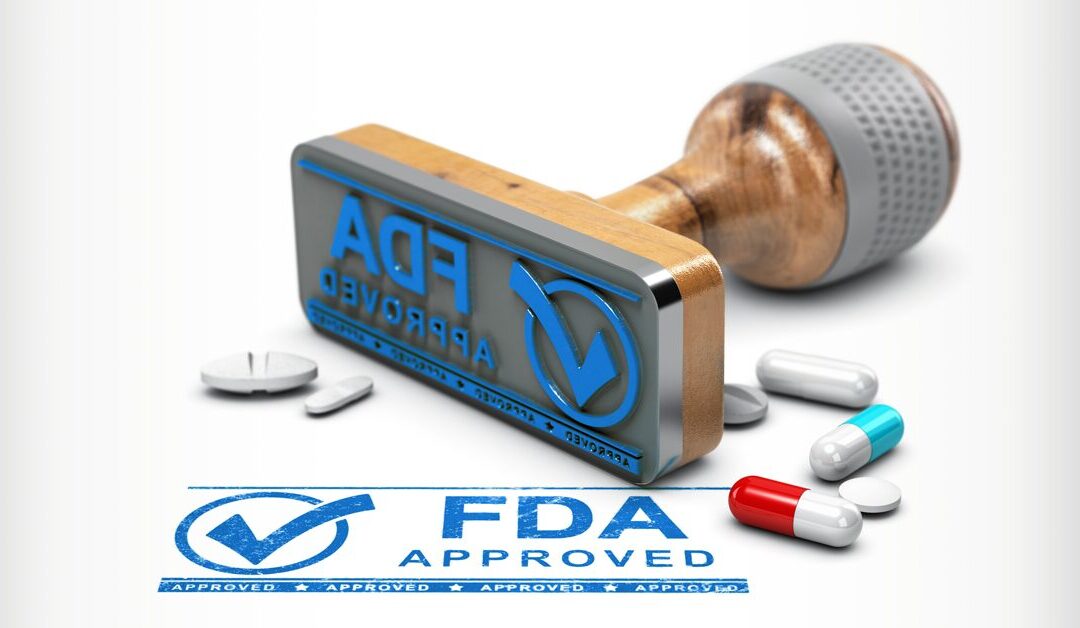
The FDA has just recognized the recently updated ISO 10993 Part 17 standard covering the toxicological risk assessment of medical device constituents. Apart from a few exceptions, the FDA recognized the standard for its relevance and scientific and technical merit....